Orienting Note: I am part of an online, ten week cadre exploring digital storytelling through the lens of the genre of westerns. At the end of Week One, known as Blog Ridin’ Camp, we were asked to write a on the topic, “What do Westerns mean to you? Do a blog post about your familiarity or experience with the genre Western.”
“West… The sound of a wish in a single word.”
Linda Crew, A Heart for Any Fate
“Sandy, what I remember most from when I was a little girl was living as a homesteading family in Princess, Saskatchewan. Even now when I am very old, my mind so often returns to that log cabin that Father built by the river, all my brothers and sisters still alive, and how we had nothing but we kept the blood lines so tight. I remember the old Conestoga wagon sat in the yard, and we played on it pretending we were in one of the great wagon trains my parents and my older siblings drove with across the Canadian prairie. When we left Princess in 1901, we went to Independence, Oregon by train. Now, Princess doesn’t even exist on a map. When I die, even its memory will be gone.”
My Grandma Ellen used to tell me such stories, and I was so young that the stories often jumbled together in my brain. It took me a long time to realize she had been born in Princess and hadn’t herself been on the wagon train with, as I thought then, her blind mother and twelve siblings.
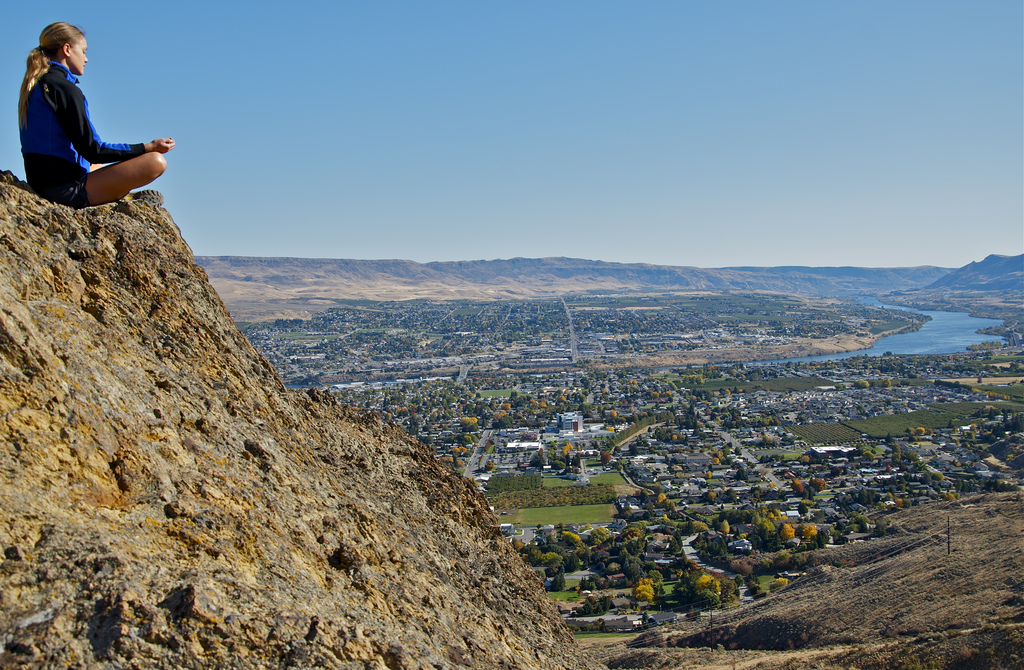
Later, as I began researching who exactly the blind relative was and so on, I realized I had conflated facts and details in my young mind, but that story, my version of it, got firmly lodged in my subconscious as part of my “Myth of Me as a Native Pacific Northwesterner.”
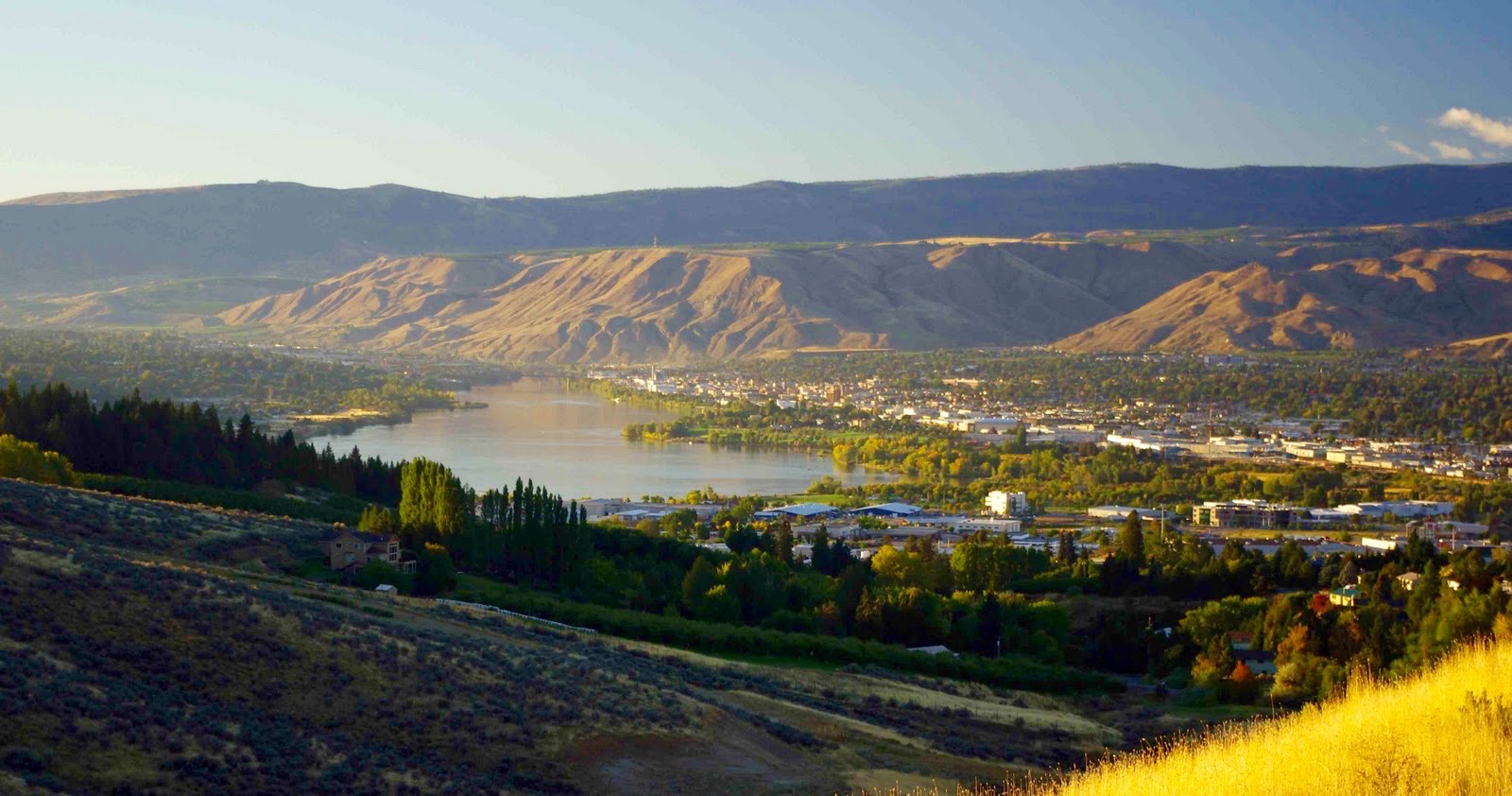
We didn’t have TV when I was growing up. Rarely, I saw Lone Ranger at my cousin’s house on a tiny black and white TV. I preferred other kinds of Westerns: Fury, Lassie, and Sky King. Somewhere along the way, I picked up random episodes of Bonanza and The Big Valley, but maybe only four of five episodes each. I read as much Zane Grey as I could get my hands on; plucky real-life heroine Betty Zane was my childhood heroine.
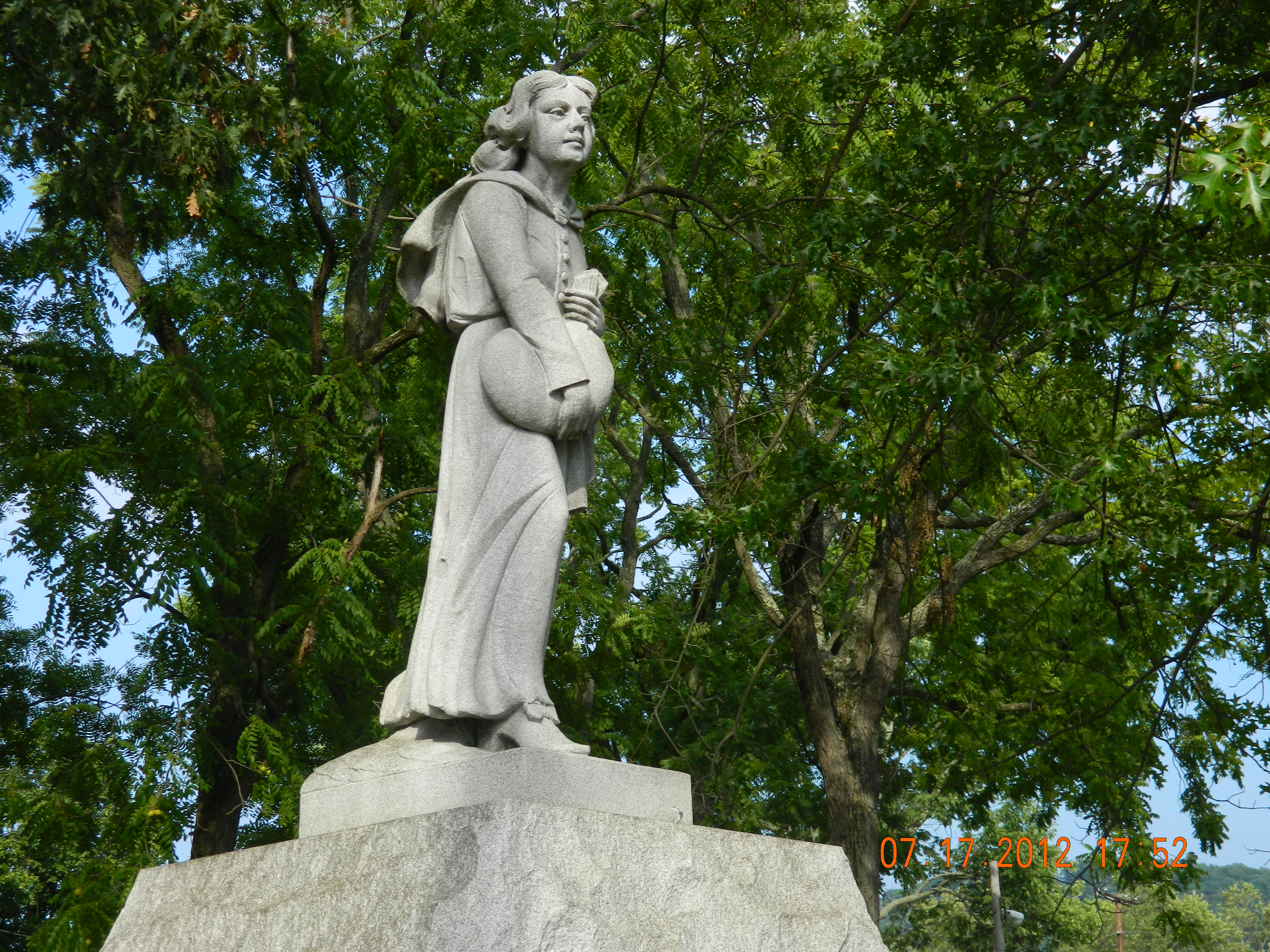
September 11, 1782, the Zane family was under siege in Fort Henry by American Indian allies of the British. During the siege, while Betty was loading a Kentucky rifle, her father was wounded and fell from the top of the fort right in front of her. The captain of the fort said, “We have lost two men, one Mr. Zane and another gentlemen, and we need black gunpowder.” The gunpowder was in another house outside the garrison and in full view of the attacking Indians. Betty volunteered and ran 40 to 50 yards to retrieve the gunpowder, then returned safely–because the Indians could see she was an unarmed woman.
THAT is the western genre I loved–real life stories of the westering women. I have never been entranced by the male western genre–never a fan of Western movies because they so violent and noisy. I’ve never actually seen a spaghetti Western from start to finish. I don’t care what iconic works of art they are, I just don’t care about male (or female) revenge fantasies. There’s no bell in me to resonate with that particular cultural chord.
I am much more interested in the mythos of the real West. I was born and raised here in a family that is going on six generations in the Pacific Northwest. I was raised on horseback. I go to rodeos.
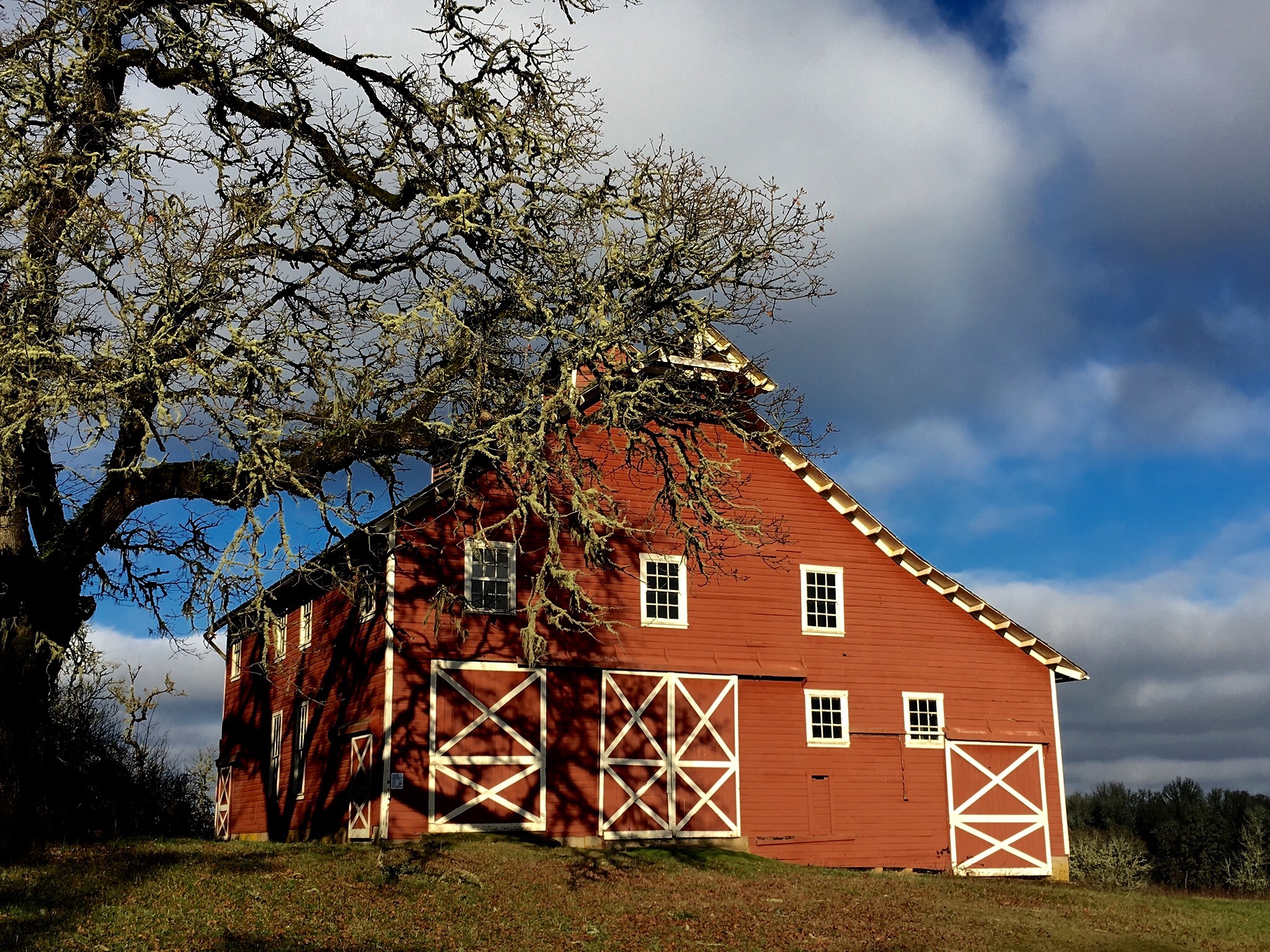
I wander the outback visually in love with all the old barns and fences and windmill-in-the-sunset pictures I can find to take.
I love stories about the pioneering women like:
- Linda Crew’s A Heart for Any Fate: Westward to Oregon 1845, and
- Molly Gloss’s The Jump Off Creek, and
- Rosanne Parry’s Heart of Shepherd.
- One of my all-time favorites is Terri Jentz’s Strange Piece of Paradise: A Return to the American West to Investigate My Attempted Murder—And Solve the Mystery of Myself.
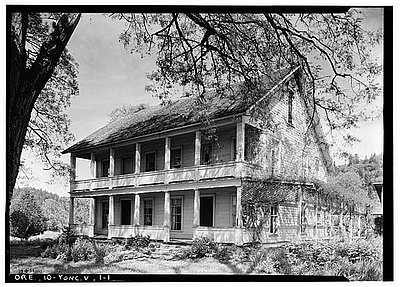
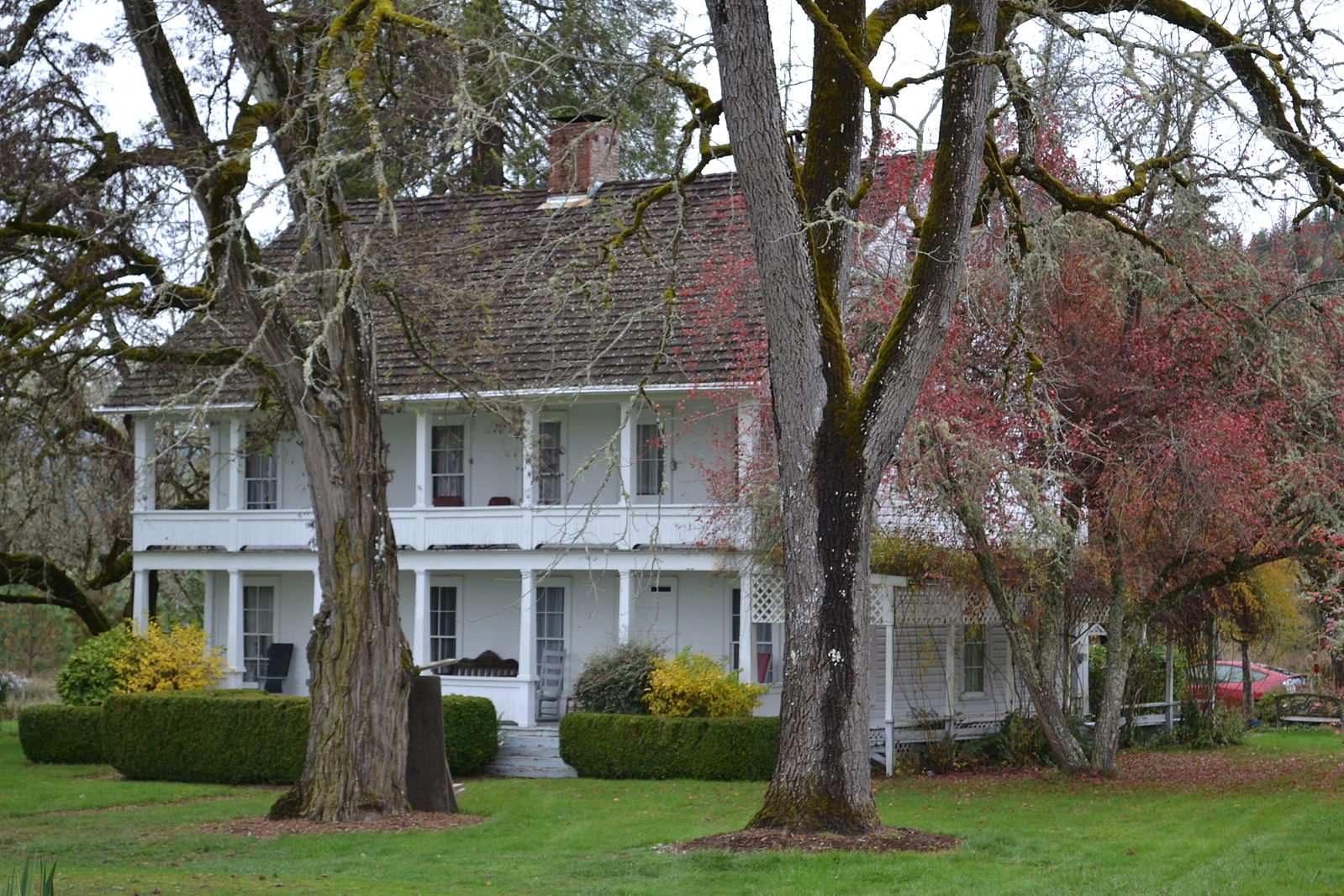
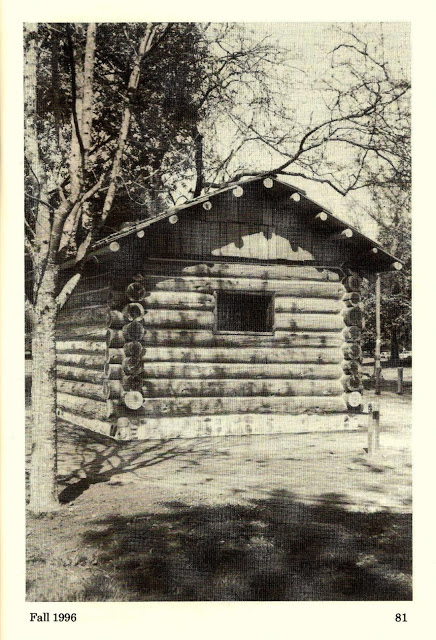
I live in the Willamette Valley, the promised Eden at the end of the Oregon Trail. My town is soaked in this 170 year old pioneer history. From the Pioneer Cemetery up on the University of Oregon campus, to the street names of pioneers, to the Eugene City founder’s little log cabin I pass everyday on my walk, the past is a permeable membrane to the present. Like this winter’s persistent (and much needed) rain, I am soaked in the western past and present, its tough reality, but, too, the very strong myth of westering held by the pioneers and their descendents, my neighbors to this day.
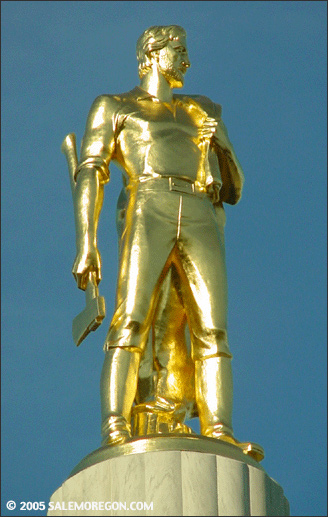
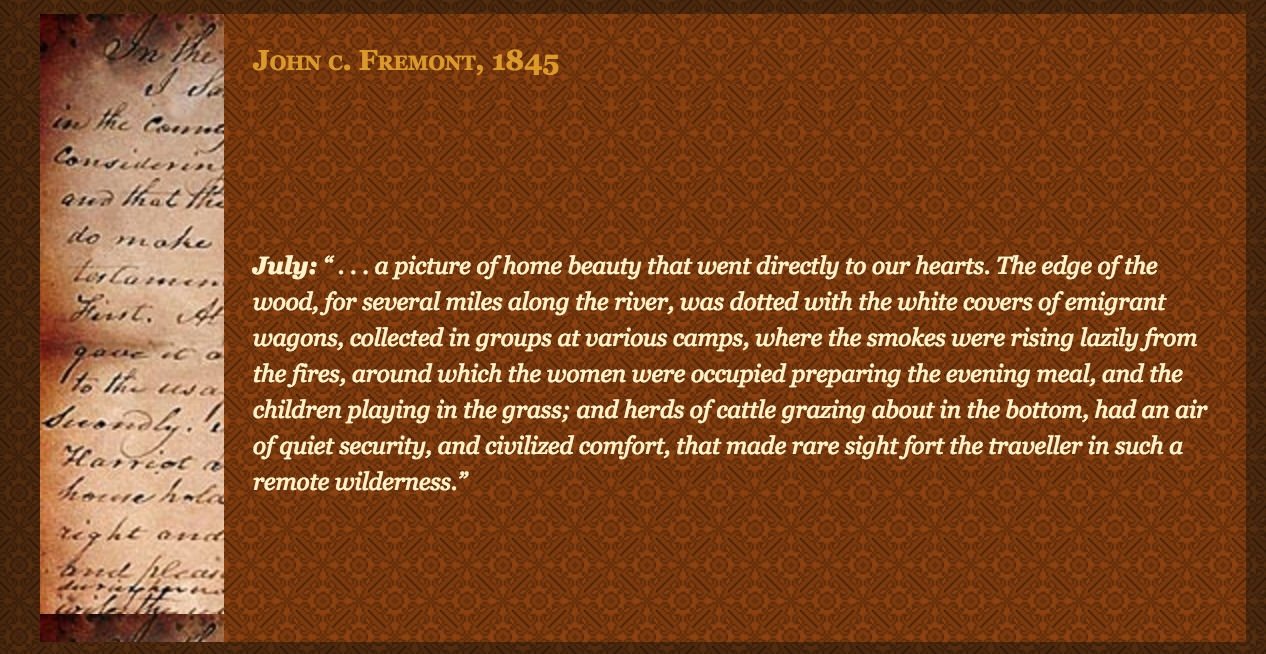
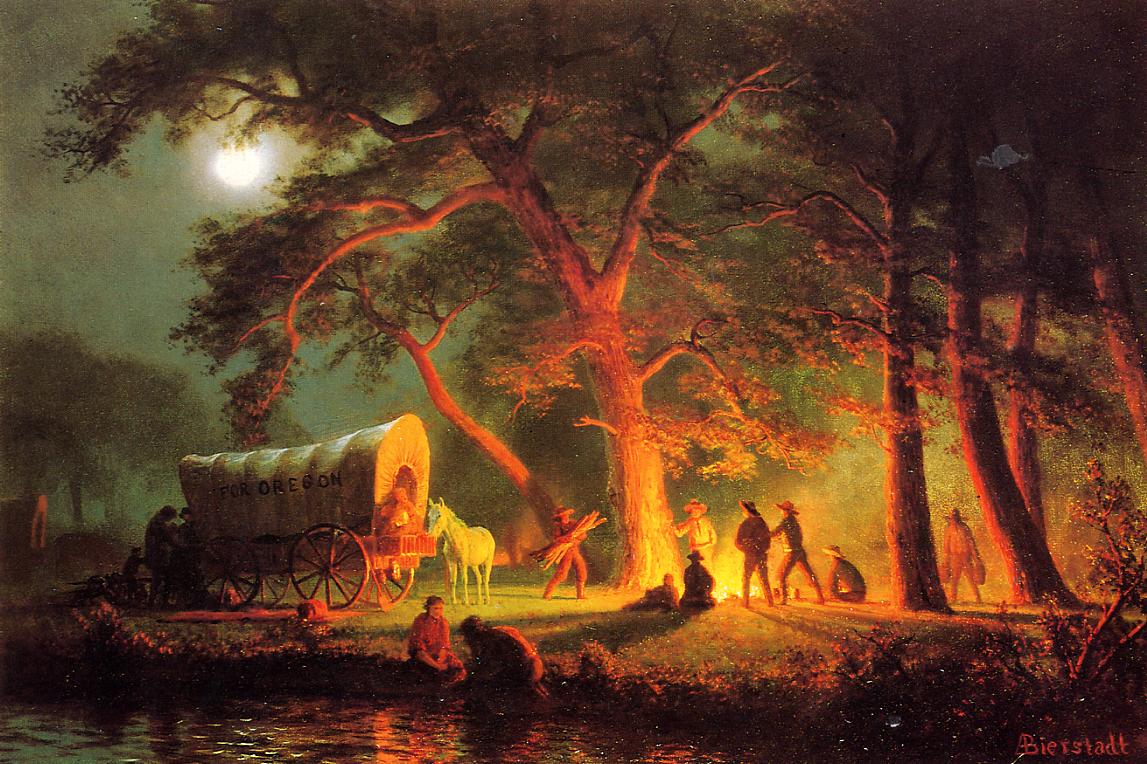
The dream of something better in Oregon is still a powerful archetype driving the state forward. The myth, the dream, and the reality live on and move through time.
Let us then be up and doing,
With a heart for any fate…
― Henry Wadsworth Longfellow, “Voices of the Night”